|
As usual, I'm busy poking my nose into the woods. Here's a recap of what I found or revisited this spring. Happy hiking! --Paul William FEATURE STORIES: PEAK BRIEFS (in no particular order): 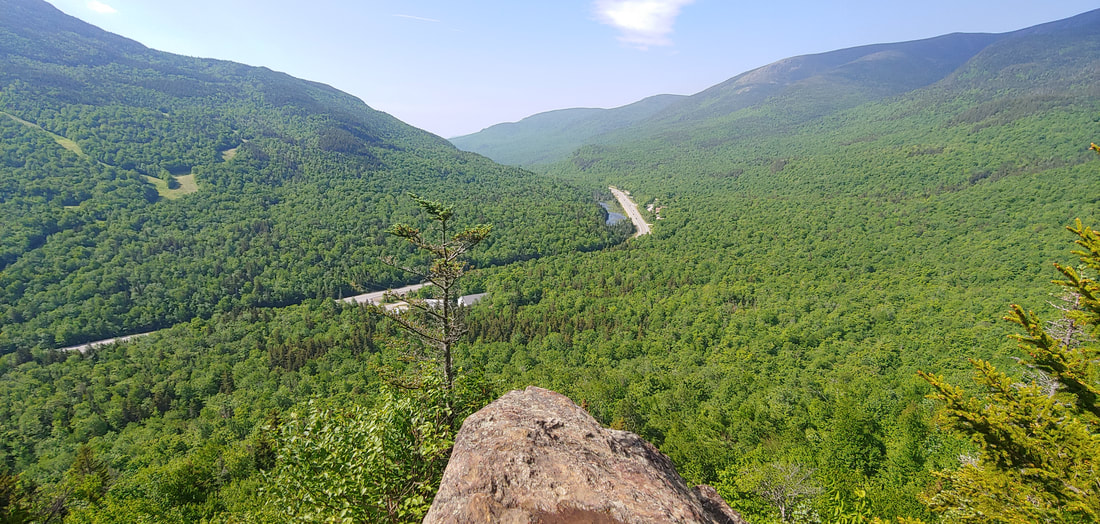 Those punny AMC People: Liebskind's Loop, George's Gorge, Brad's Bluff, Lila's Ledge. If you're looking for a short & sweet leg stretcher in the vicinity of Pinkham Notch the day before or the day after you beat the crap out of yourself hiking the Presidentials or Carter-Moriah-Wildcat peaks, and you happen to also like puns, this is your hike. There are fine views of the Notch from this crag along with a narrow gorge with a cascade. The punny trails are named for old AMC luminaries. 2.5RT from the AMC center; WMG 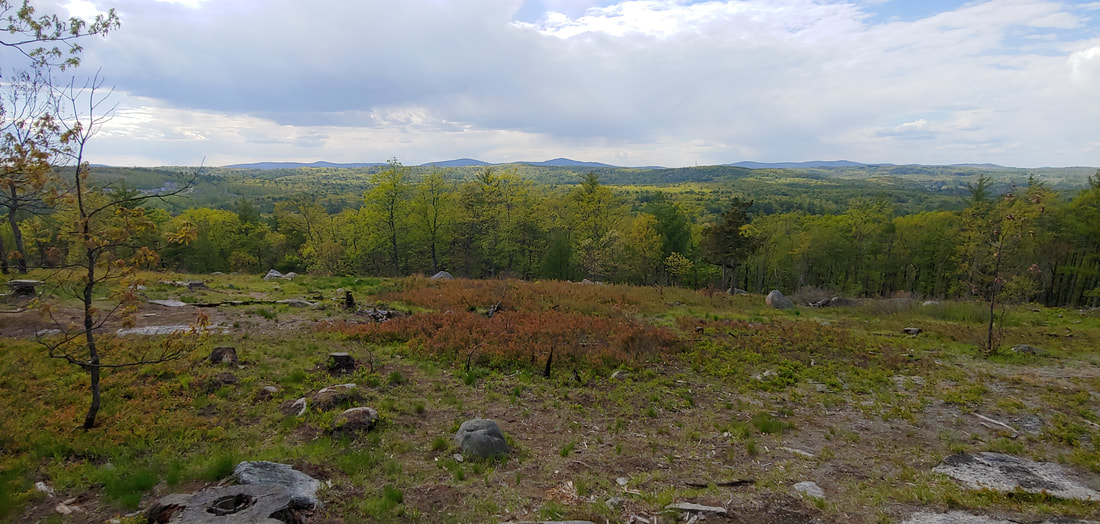 Burns Hill is in fact burnt. This fine small peak (751') located in Hitchiner Town Forest in Milford, NH was new to the 2021 5th edition of the Southern New Hampshire Hiking Guide. There’s a great view ledge at the top looking toward the Wapack Range; the area around the ledge shows the scars of a recent fire. Other features include stone walls, scrambly ledges, and meadows. 1.5RT; longer hikes are possible. SNHHG 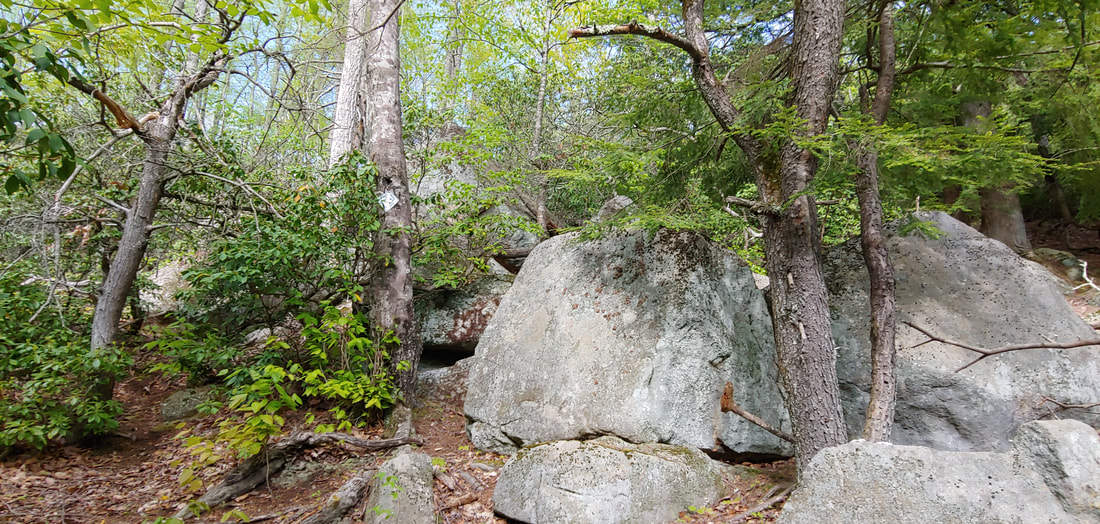 The badgers have been at it at Badger Hill. Badger Hill within Mile Slip Town Forest (Milford, NH), once had a nice view from its summit (781') before it grew in. The trails fell into disrepair and it hasn’t helped that there is an ATV accessible trail to the summit with associated partying and debris left behind. However, the hill does offer some really interesting boulders and rock formations, and an attractive trail along lovely Mitchell Brook at the foot of the mountain. There was some evidence of new trail building when I visited in May of 2021, but as of yet none of it is marked and it’s unclear if all the construction is official or bootleg. 2.2RT including brook.
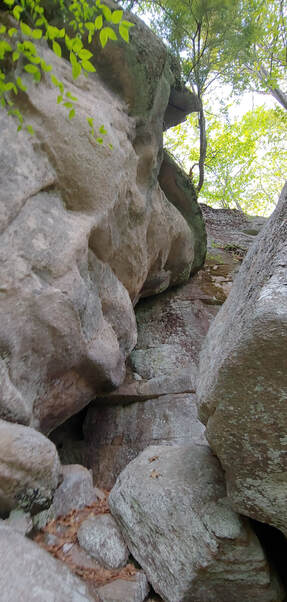
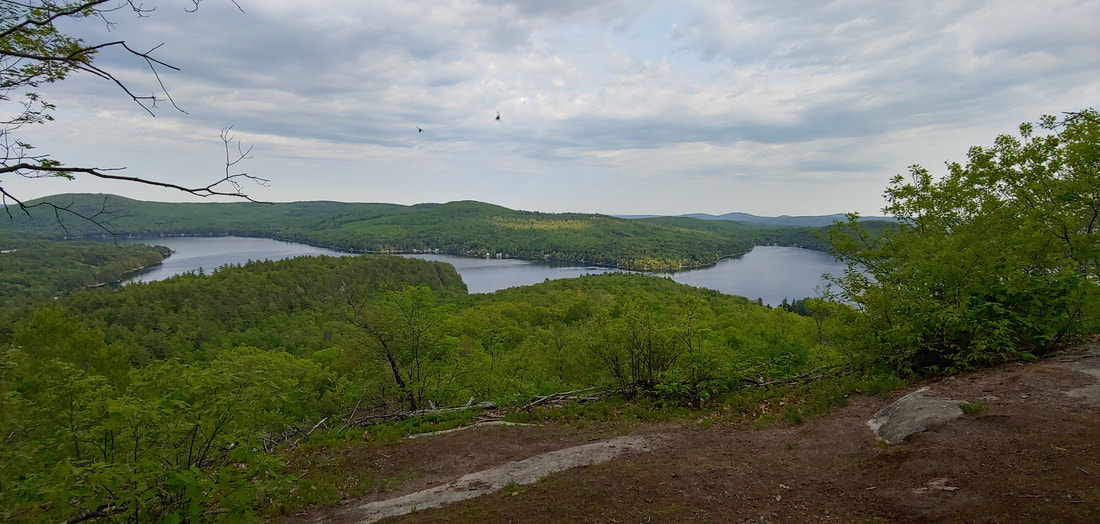 Good golly Mount Molly. The trail system on Mt. Molly (1,250) in New Durham, NH is under development by Southeast Land Trust but in the mean time you can pick up the older, unrefined trails to the summit from either Merrymeeting Road or unmaintained Chelsey/ Devil's Den Road (see my description of this road under Devil’s Den, above). There are no signs but the route is easy to follow, if a bit eroded from latter approach. GPS tracks of trails on the mountain are in OSM and are readily accessible via most GPS apps. There is a truly fine open ledge on the summit with 180 degree views east and north. 2.6RT with road walk. 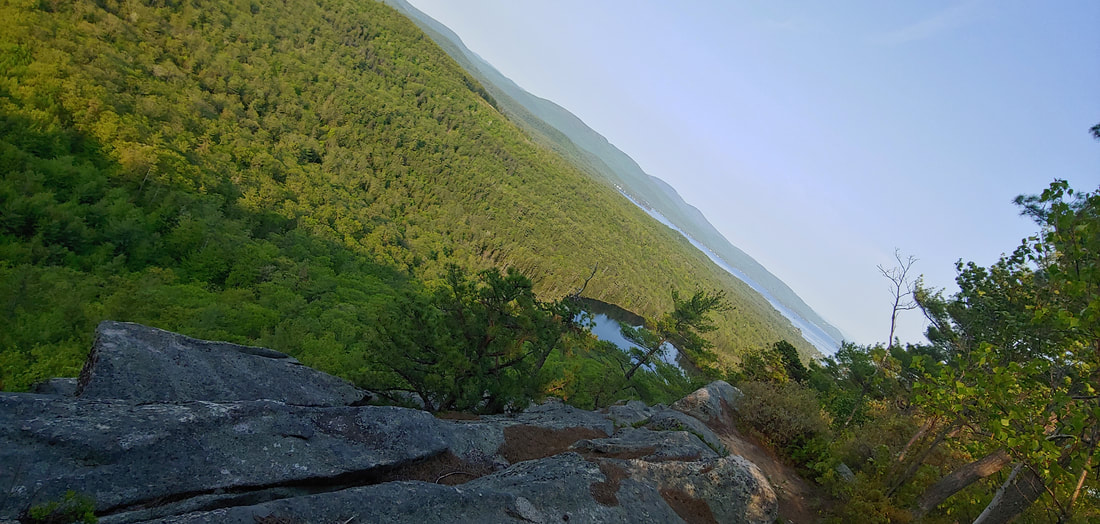 Knight’s Pond and that big unmentioned cliff. Knight’s Pond (Lakes Region Conservation Trust) in Alton, NH appears in successive editions of the Southern New Hampshire Hiking Guide but there is no mention of Long Stack Mountain Precipice (1,200) which looms above the pond and is also within conserved land. An enjoyable, rugged marked loop trail circles the scenic pond and is probably best enjoyed when mosquitos are not in season. Getting up to the precipice requires some good bushwhacking skills: an old cart path, severely eroded, ascends the mountain from a gravel pit a bit further east along Rines Road from the Knight’s Pond trailhead. The cart path climbs past the wooded summit (off trail, private, and hosting a McMansion) to the north side of the mountain where bare ledges offer narrow but interesting views north toward Winnipesaukee. A vague herd path leaves westerly right at the start of these ledges and finds the edge of the cliff where there are airy views down at Knight’s Pond, Winnipesaukee, and beyond. 2.4RT precipice. 2.5RT pond circuit, SNHHG. 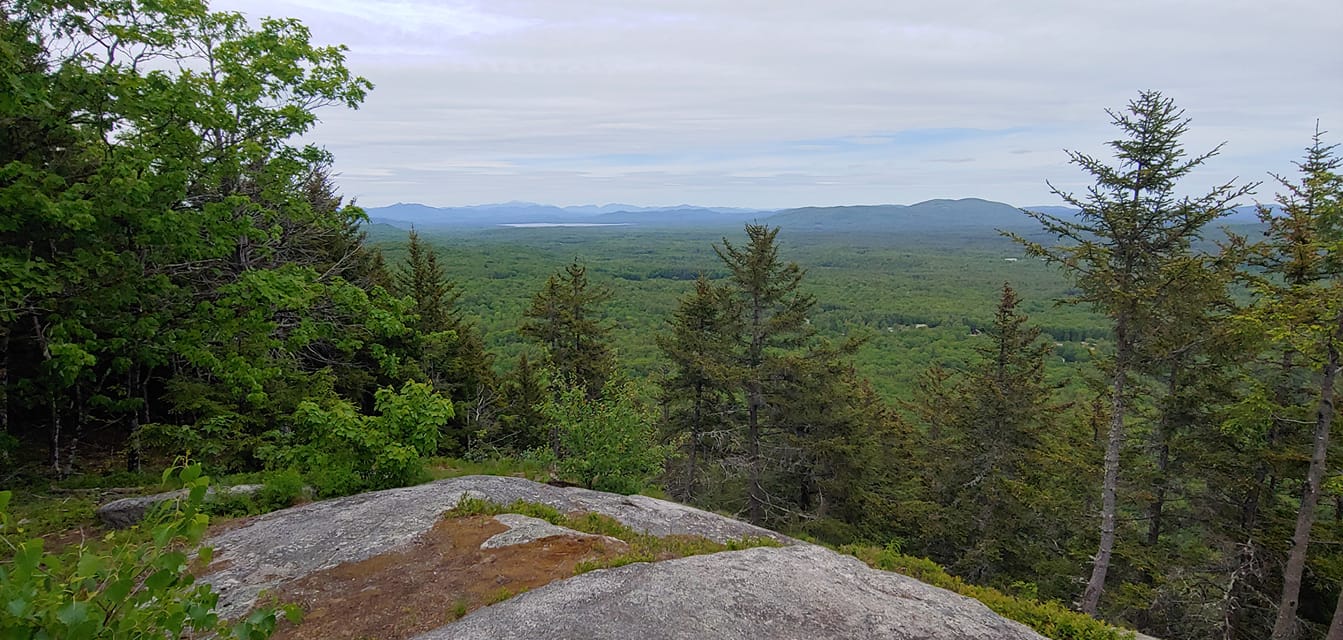 Not that Whiteface Mountain. . .no, not that one either. . . There are several mountains in the northeast by this name (one NH4K peak, one ADK 46er, one in the Belknap Range. . .) and the name itself is a good indication that there’s a big ledge involved. This one, in Wolfeboro NH (1,339), was just included in the newest edition of the Southern New Hampshire Hiking Guide. A new trail leads to the top of a fine northeast facing ledge. 2.9RT, SNHHG 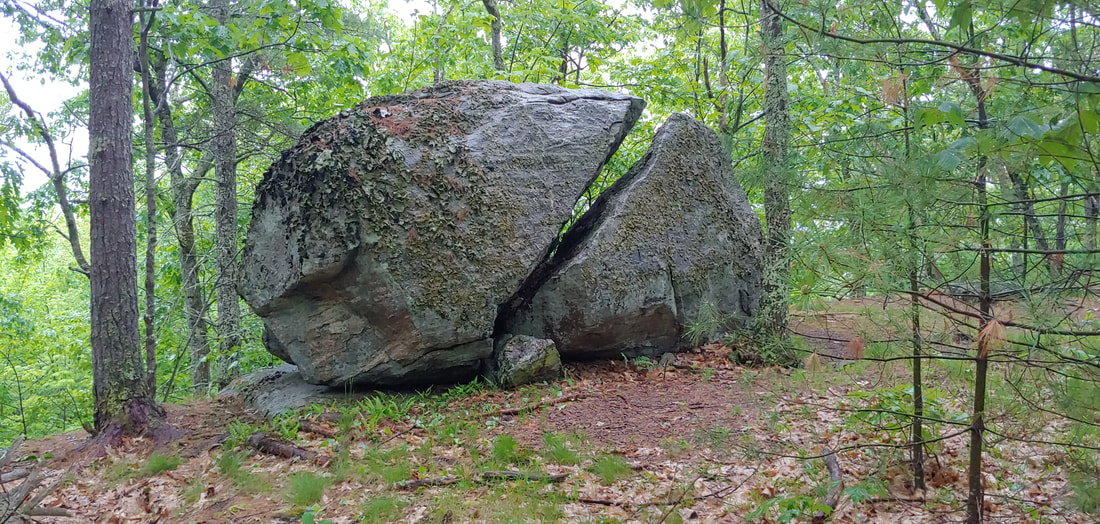 Fogg Hill is a good place to look at trees or maybe fog. Another inclusion in the most recent edition of the SNHHG, Fogg Hill (980', Lakes Region Conservation Trust) in Center Harbor, NH in doesn’t really have much in the way of views but the rocky and mossy ledges are pleasant, and there is an interesting split boulder at the summit that looks like the fossilized head of a kaiju. Bear Pond, on a spur trail, is worth a look.
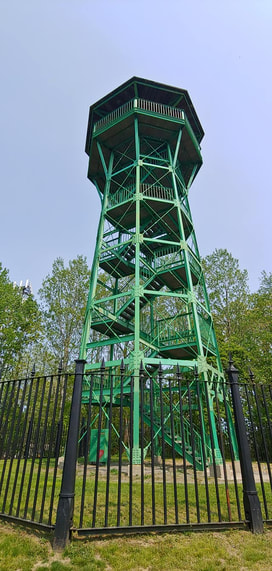
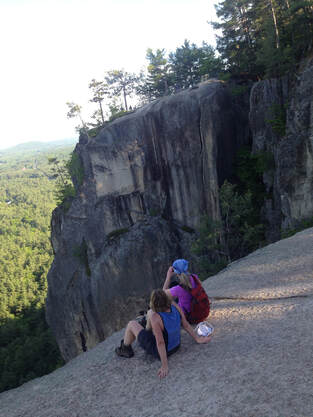
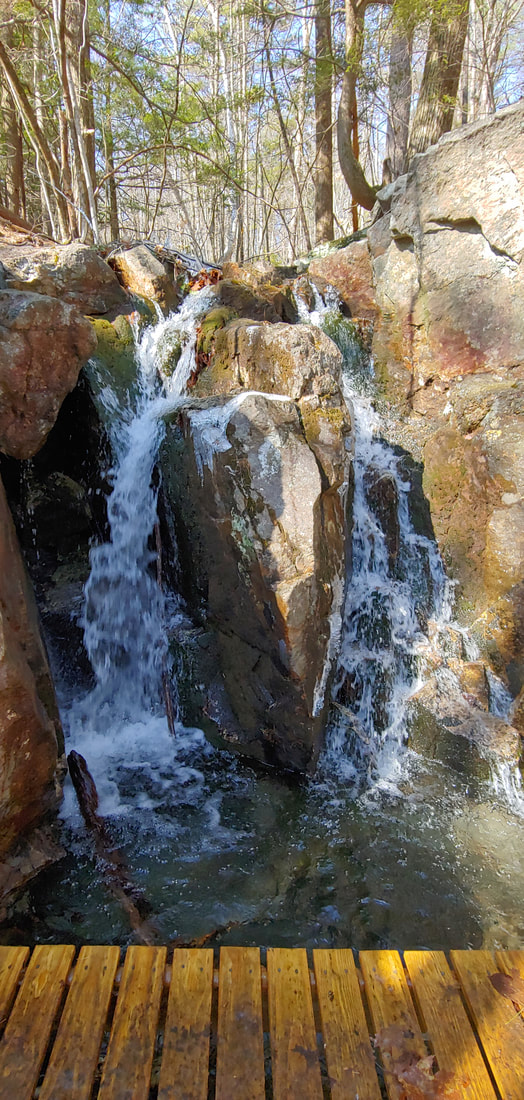
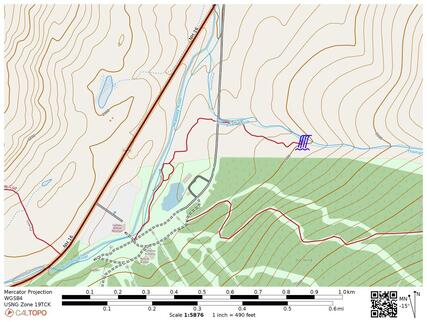 Maybe revisiting Thompson Falls. I wasn’t sure if I’d been to this waterfall before, which is located at the end of a short trail starting at the Wildcat Ski Area parking lot, so I took the hike. The falls (my photo sucked, so no image for you) were about 15’ high with ample water flow and a nice swimming hole below. Some knucklehead had scattered a box of powdered laundry detergent over the rocks below the falls. What is wrong with people. 1.2RT, WMG 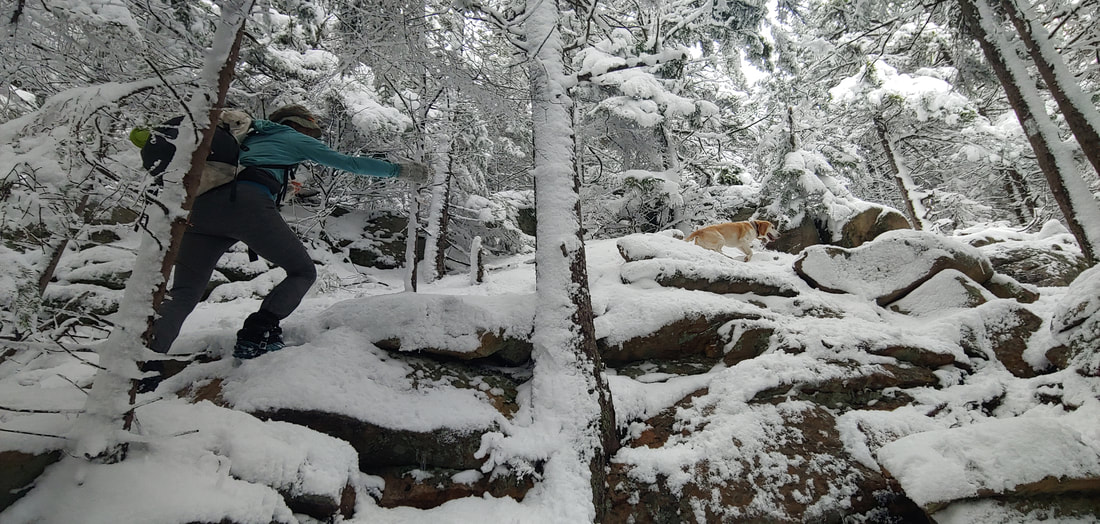 Spring Snow in the Belknaps. The Belknaps are always a great place to nice, with their multiple open and craggy summits and lenghty trail network with many trailheads and loops. This time it was the first day of spring and I wanted to be done with the snow for the season, but we got blanketed the night before. I didn't mind: temperatures were mild and the light, fluffy spring snow was pleasant (if slippery) walking. We hiked a good loop over the Quarry and Straightback summits from the northwest (Reed Road trailhead) , and OAB to Mt. Major where the weather discouraged the usual summit crowds. The beagle approved. 9.0RT for this particular hike; SNHHG 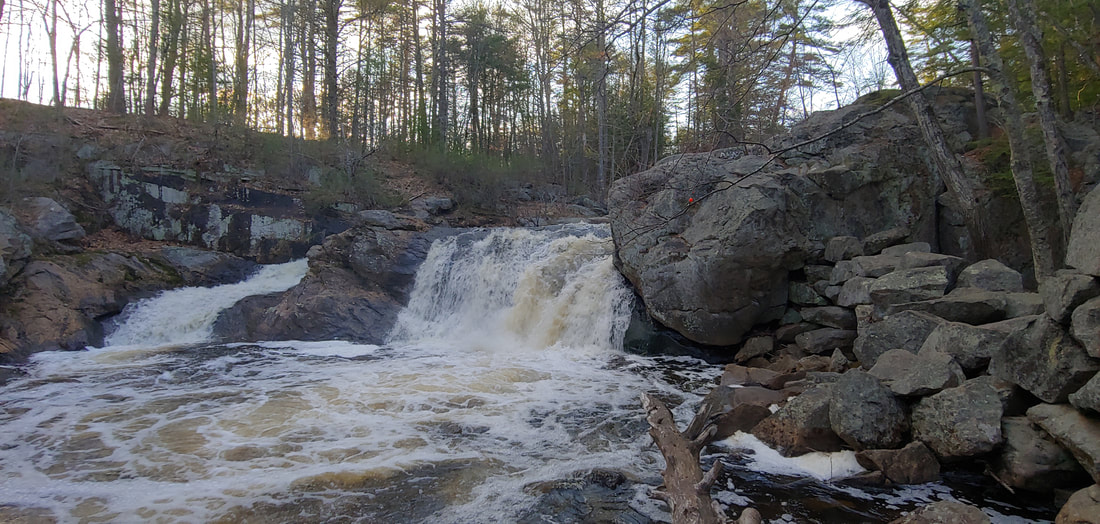 Isinglass Falls: What a dump. Isinglass Falls is located within the Gonic Trails in Rochester, NH on the Isinglass River. The falls and the woods around the trail system were conserved by the Turnkey Landfill/ WMNH to smooth over local sentiment when they applied to expand their monster landfill a short distance to the north. The conservation area is well sheltered from the offensive dump itself--the only sign you'll notice of it is the distant cry of trash-raiding seagulls. Approach the trailhead from the south, not the north, if you don't want to see the landfill. The falls are lovely; as you view them maybe contemplate giving up paper plates and plastic cups for lent. 1.5RT 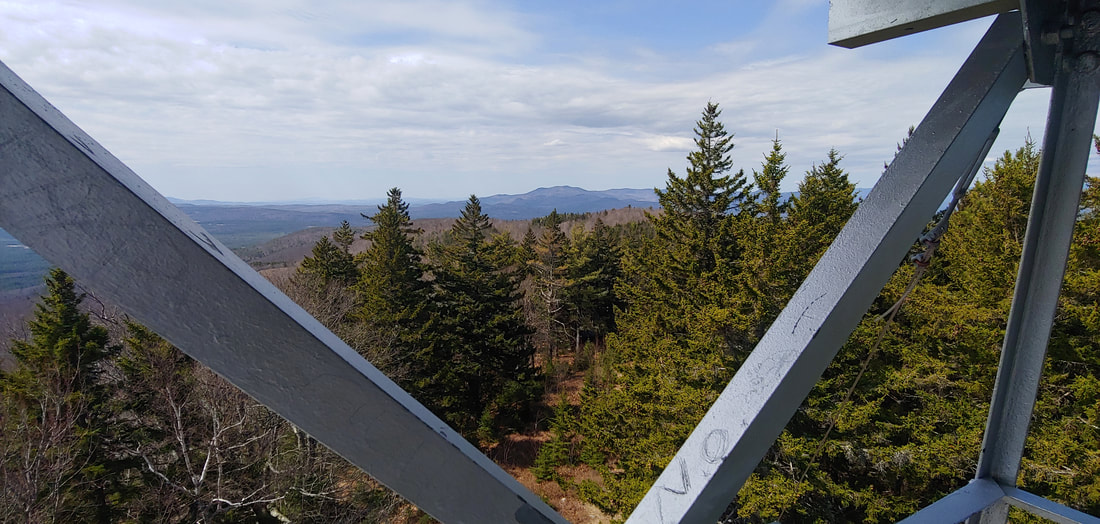 Green Mountain. . .but aren't they all? The trails and firetower on Effingham's Green Mountain (1,883) have been around for quite a while and are part of the Forest Society's High Watch Preserve. Although trees have grown high enough to shrink the former 360-degree view from the tower, the gawking is still quite good. There are three trails to the summit; take either the Dearborn Trail or HIgh Watch Trail; the Libby Trail is an old access road and is less pleasant. The summit can be reached in 1.5 miles. The little spur trail to the sub-peak of Hanson Top, with fine views E, can be added in with just a little more effort. SNHHG. 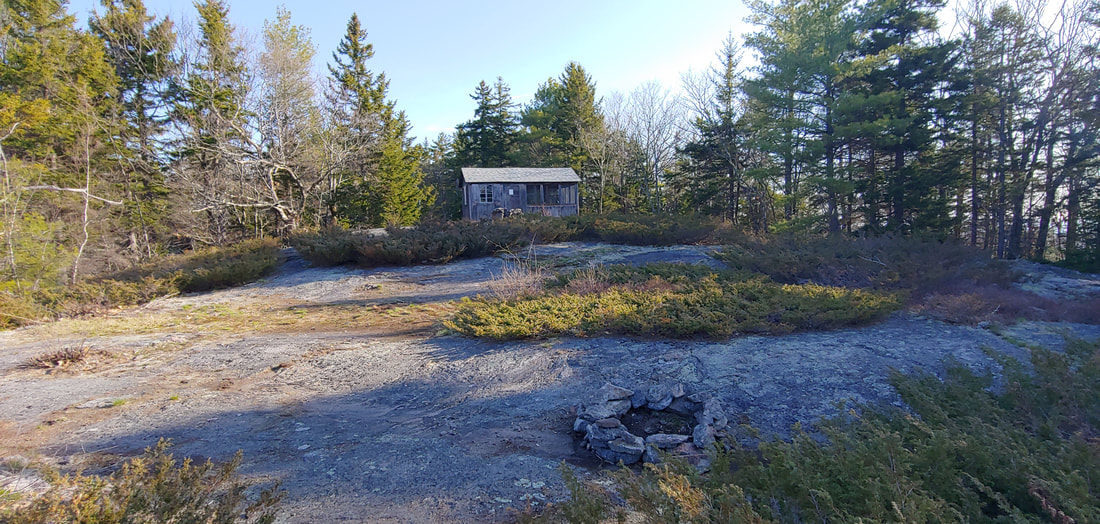 The Moody Mountain Cabin is located on adjacent private property--please respect it. Be gentle with Moody Mountain. This small mountain (1,419) with a decent view from summit ledges (an easy 0.9 to the top) is within the Forest Society's Moody Mountain Forest in Wolfeboro, NH. The dilapidated cabin (on adjacent private land) sees its fair share of abusive behavior, so maybe appreciate its rustic Taj Mahal glory without entering. 1.5RT 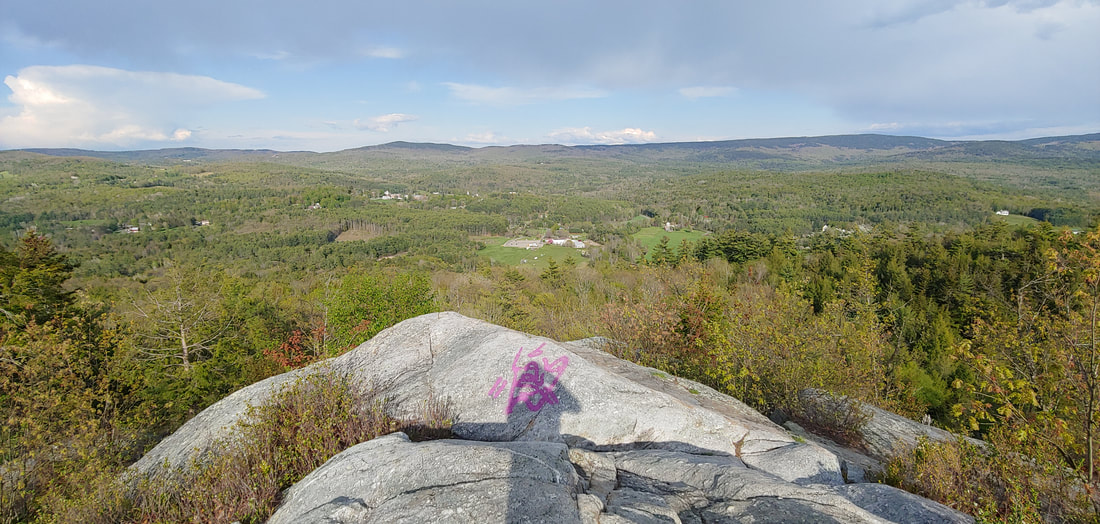 Visitez les corniches de French maintenant! Pardon my French, but yes, you should visit this surprising little crag (1,360ft) with 360-degree views in the Upper Valley town of Plainfield, NH as soon as possible. The Upper Valley Land Trust and a generous private landowner are responsible for this gem. 3.5RT; longer loops are possible. 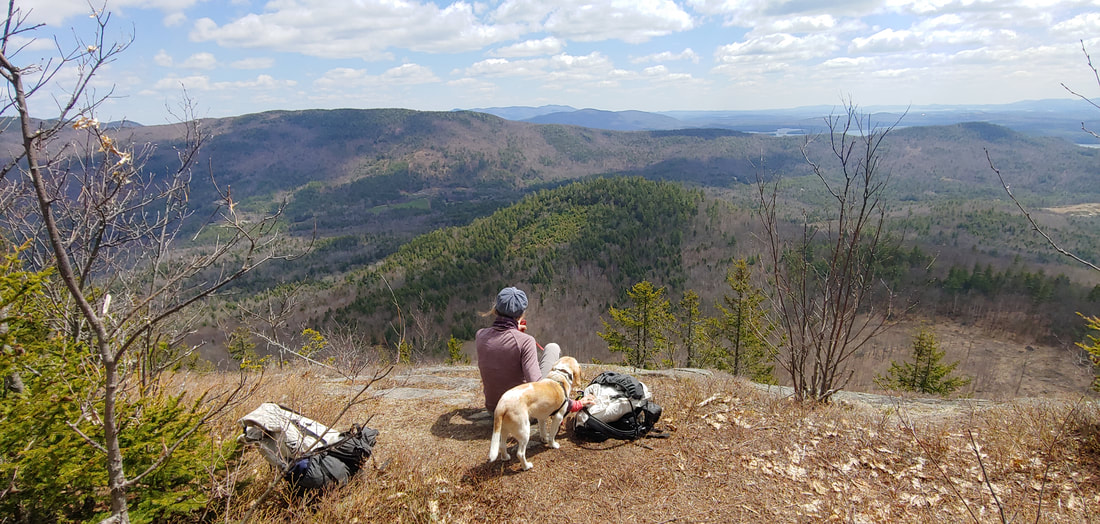 Off the not-so-unbeaten path on Prospect Mountain in Holderness, NH (2,064). You won’t find it in any guidebooks, but it’s there: a well beaten trail system to this fine clifftop view looking east over the Lakes Region. Look for it on Alltrails.com. There are two nice main loops, one which passes through an attractive evergreen forest, one through a partially logged deciduous forest. Choose your adventure. 3.8RT; longer loops are possible. 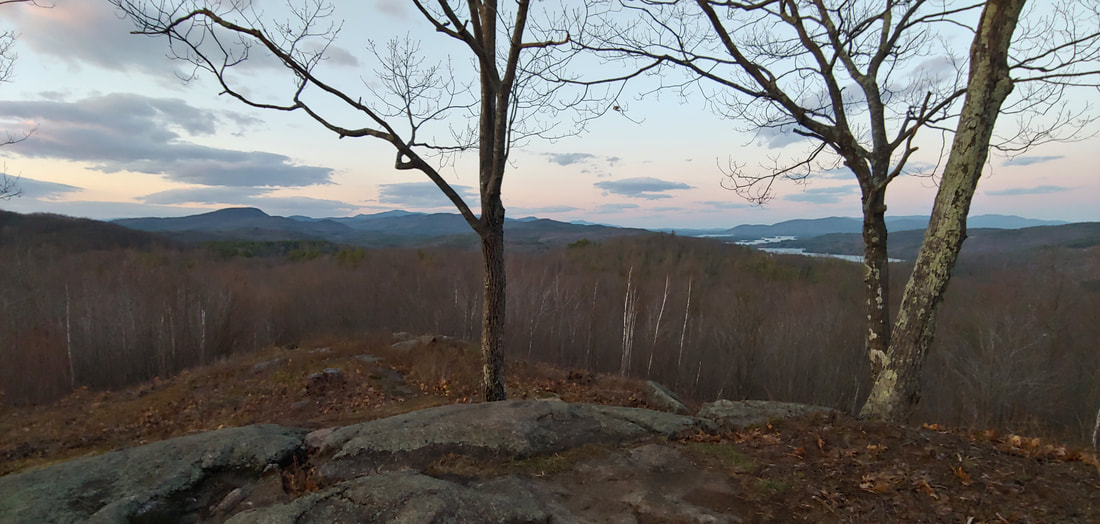 There once was a man named Whitten, whose hill on which you are now sittin’. Seriously, this new addition to the Southern New Hampshire HIking Guide, Whitten Woods, is a sweetheart of a hike, with sweeping views from the twin peaks of Church Hill (1,136, 1,173), a southerly extension of the Squam Range in Ashland, NH. The forest preserve is managed cooperatively by three land trusts. It was heavily harvested of timber before it was acquired but the young trees are springing back, the views of Squam Lake are awesome, and the trails are well conceived. Look for additional new trails here in the future. 3.1RT, SNHHG 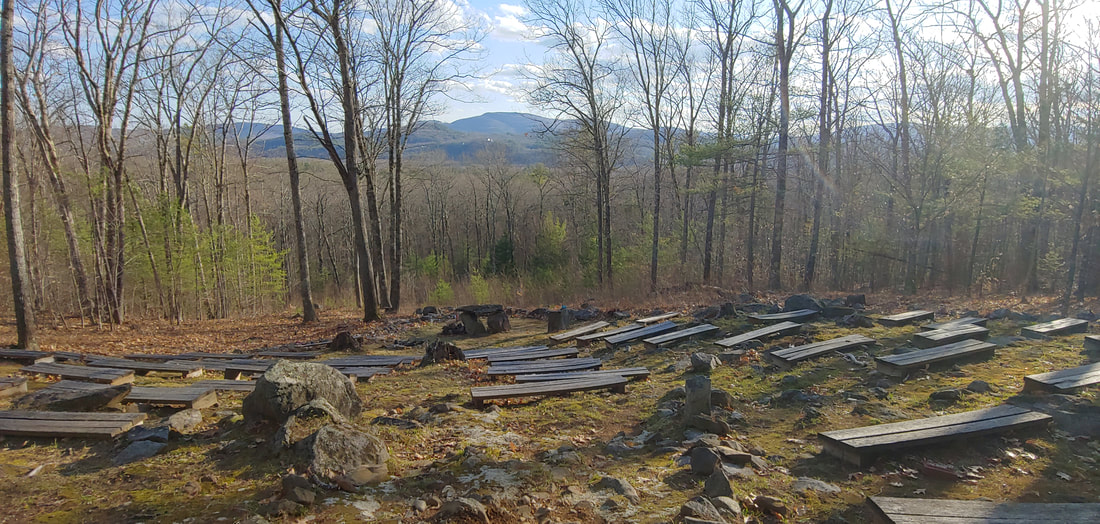 You can ski it, hike it, and pray it. The Holderness School’s “Ski Hill”, located right in the NH town with the same name, has a great network of trails used locally for skiing, hiking, and mountain biking. There’s a few decent slot views from vantage points on the hill, including one from the outdoor chapel. All kneel. 3.3RT; shorter and longer hikes possible. 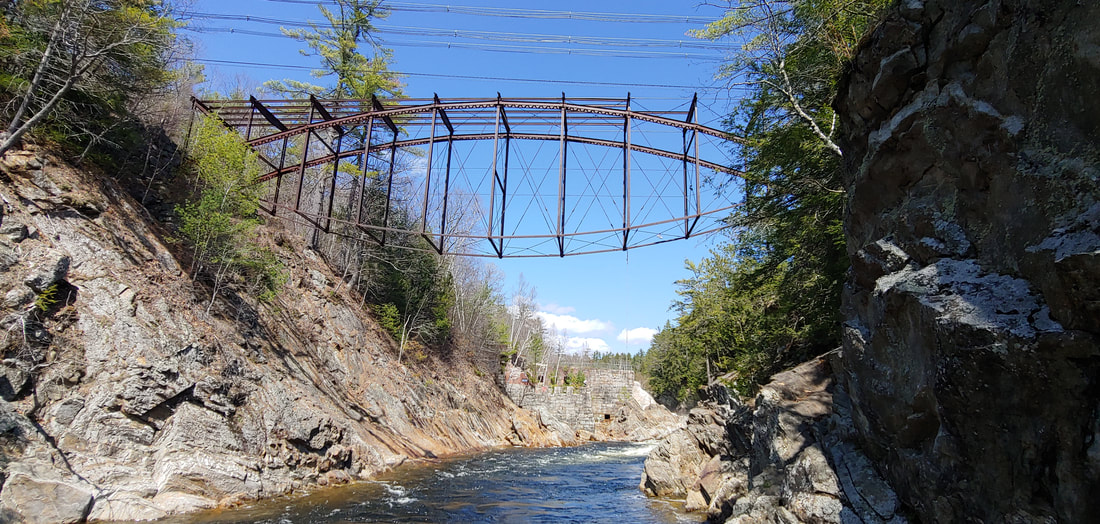 It’s a Pumpkinseed! No wait, it’s a bridge. . . Livermore Falls, now part of Livermore Falls State Park in Campton, NH, was once a booming mill site. The falls and an impressive gorge on the Pemigiwassett River, along with the flood-scoured ruins of the mill and the unusual “pumpkinseed” bridge remains, make this a fun and interesting short walk. It’s also a fantastic swimming hole in the summer if you can find a place to park. The state charges a fee in season. 0.4RT with some poking around. 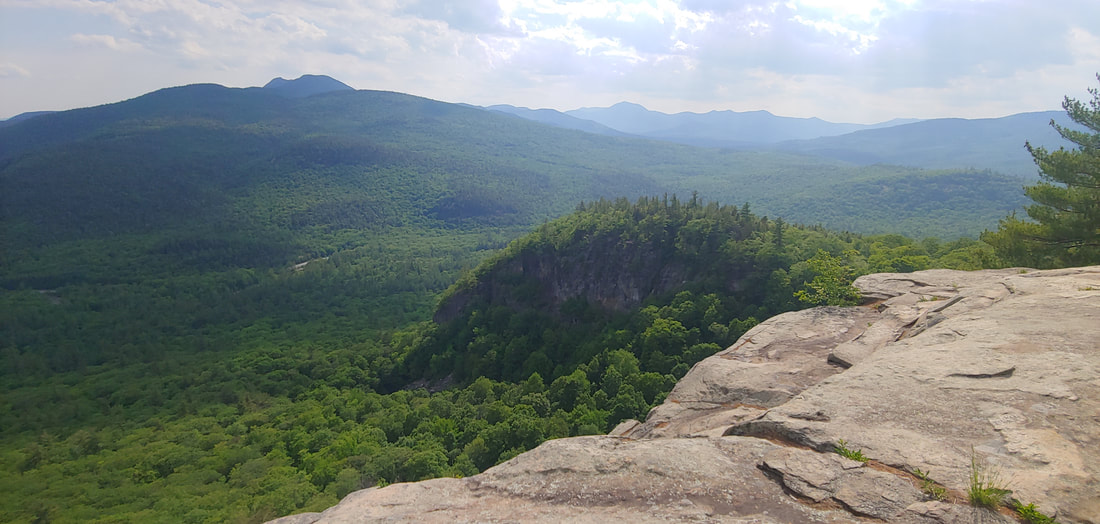 It ain’t just about the boulders at the Boulder Loop Trail. Located off the Kancamagus Highway in NH, the Boulder Loop promises boulders but neglects to mention the massive clifftop vista above—one of the finest of many in the area, comparable or better than the nearby ledges of Hedgehog and Potash Mountain. A nice loop winds its way through the boulder fields and over the ledges. 2.7RT, WMG 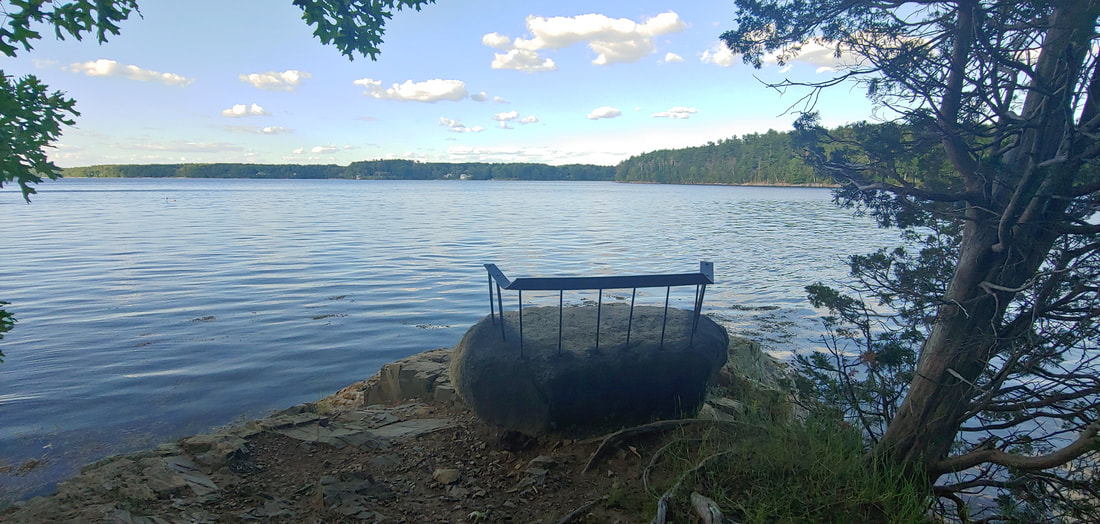 Best seat in the house. If you’re looking for good seaside (or in this case bracken bay) hiking in New Hampshire, Adams Point, a craggy escarpment on Great Bay in Durham is one of the prettiest spots around. Parking is tight, so aim for weekdays and off hours. A trail winds around the crag and interior meadows, with many rocky outlooks and spurs down to the water. The point is a state wildlife management area. Keep an eye out for horseshoe crabs. 1.5RT 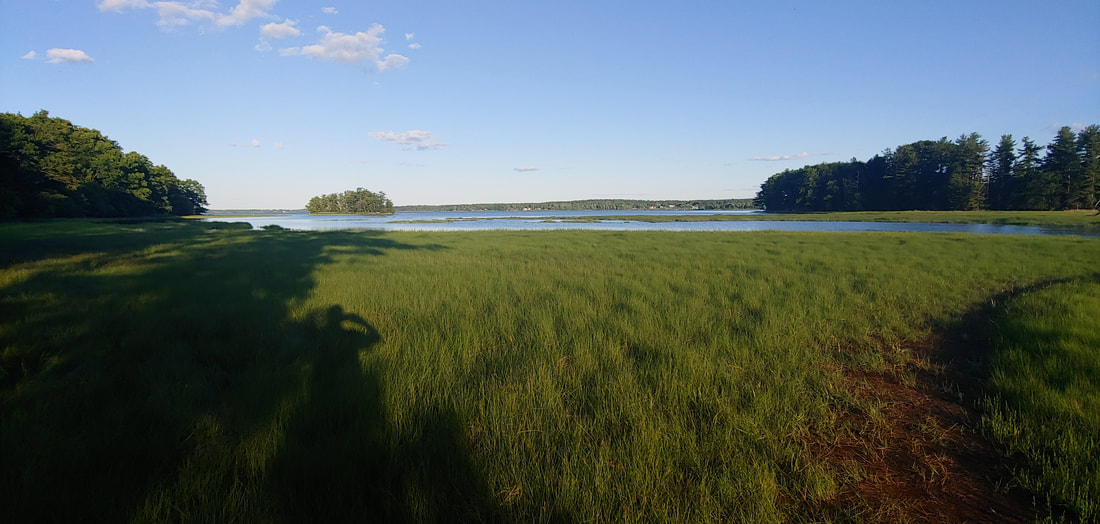 Second best seat in the house. If you’re going to visit Adams Point (previous entry), you might as well pick up the tail end of the Sweet Trail in Newmarket NH. You can hike up tiny but steep Jefts Hill and continue north for several miles, but the sweet spot is the saltmarsh overlook at the end of the trail. Mosquitos in the summer will carry your ass away, but the view’s worth a pint or two. 1.0RT hill & marsh; the entire Sweet Trail is about 4.0 one way. SNHHG. 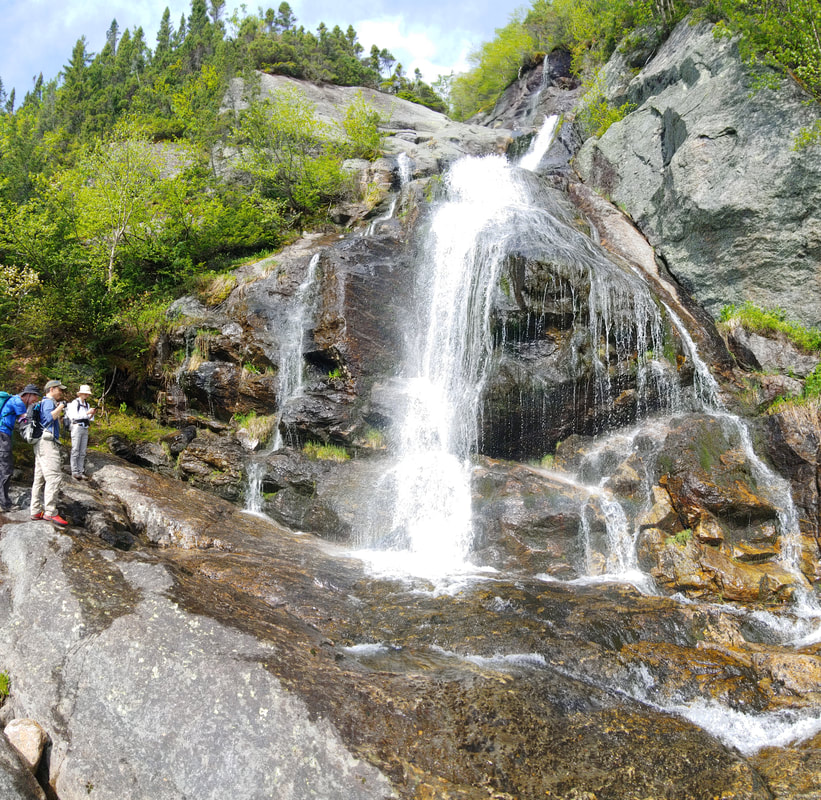 I’d tell you where this is, but I’d have to kill you. Sorry, there are some secrets you just have to find on your own 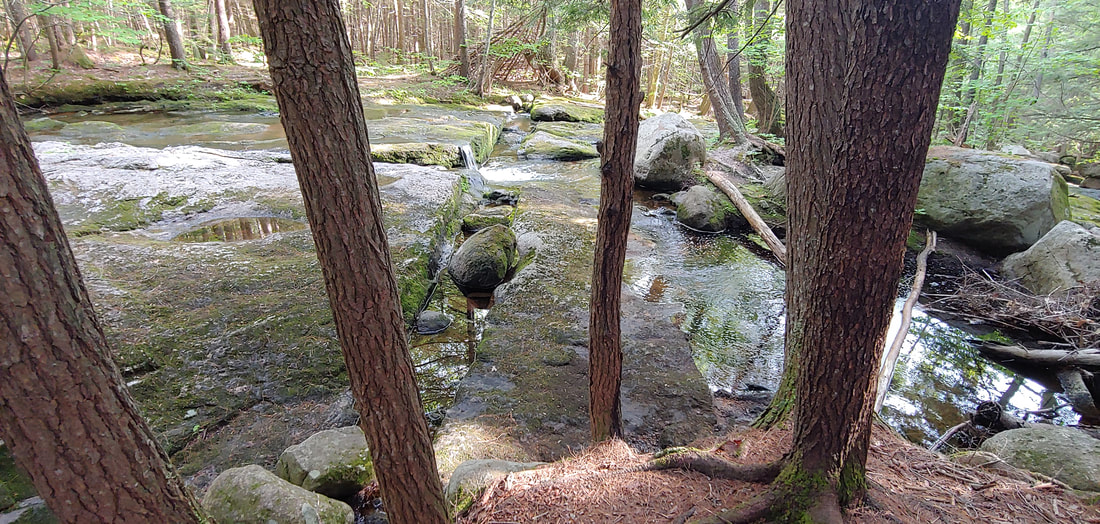 The Boulder is bolder but the Cascades are cooler. If you’re in the mind to visit the largest rock in the state of New Hampshire, Madison Boulder (plunked down by the glacier in the town of the same name, how thoughtful of it) you ought to also check out Madison Cascades, which can be got to from behind the Madison Historical Society Building via a marked trail. Nice spot to cool off on a hot day. 1.5RT 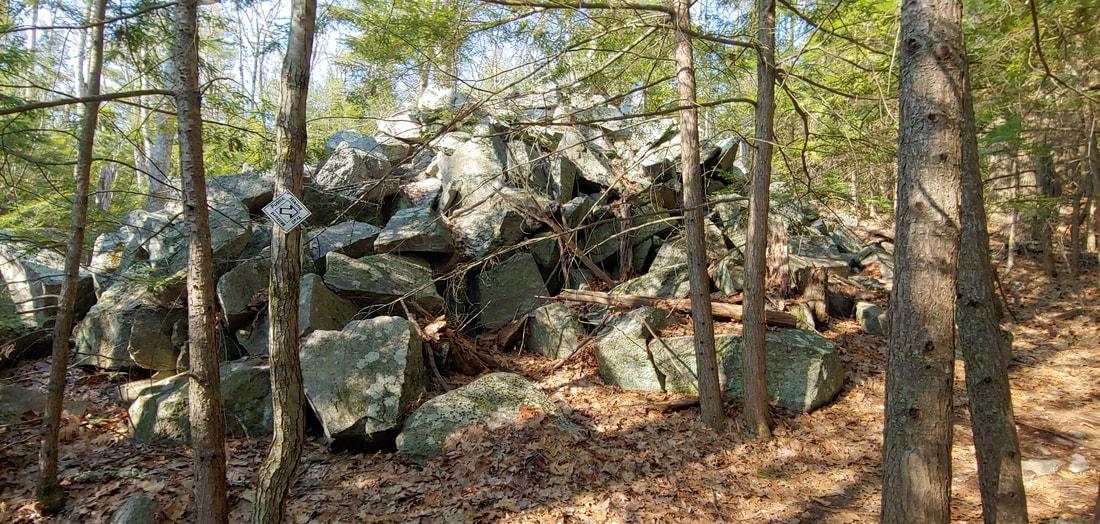 All tapped out at Patch Hill and Mayflower Hill. These two rocky hills located in Amherst and Milford, NH, are pleasantly ledgey and scattered with fun historic mementos of an old, tapped out granite quarry. There are rock piles, pieces of machinery, quarry pits, cut blocks, old foundations, and a spare view here and there. The two hills are connected by a trail system. 4.4OAB to both.
0 Comments
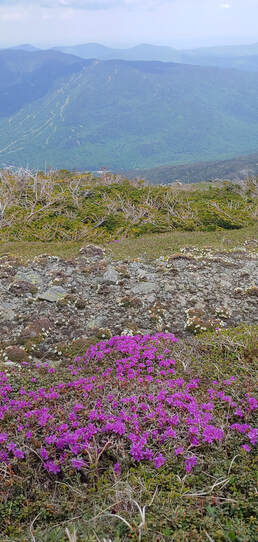
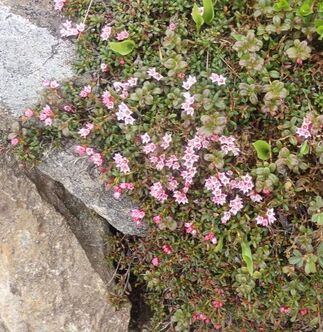
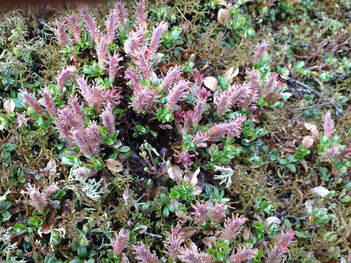
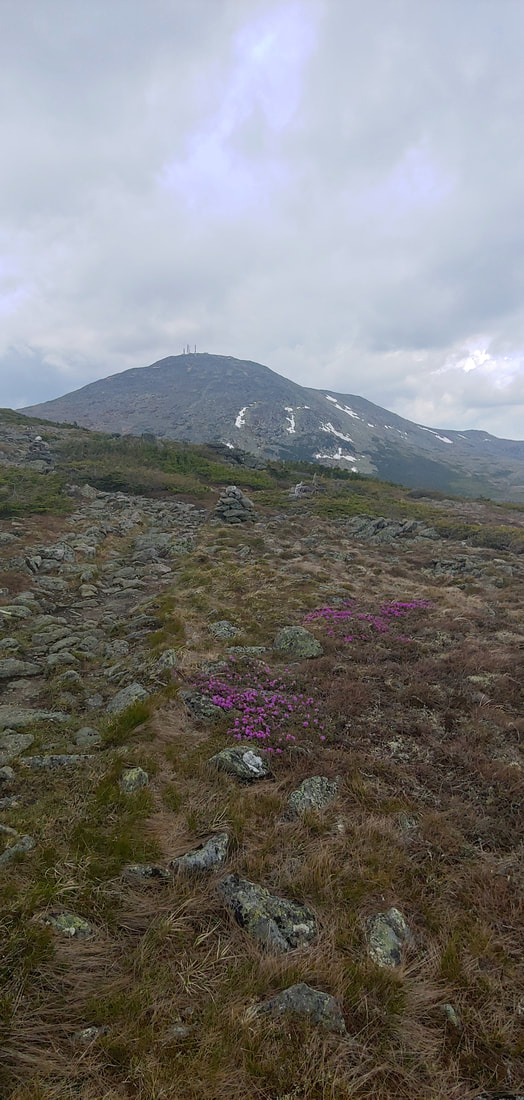
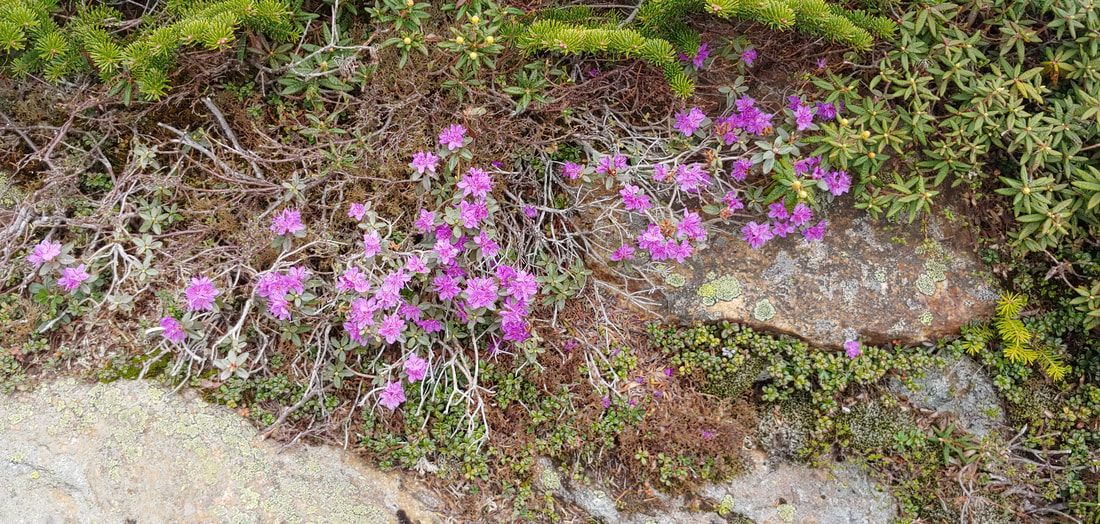
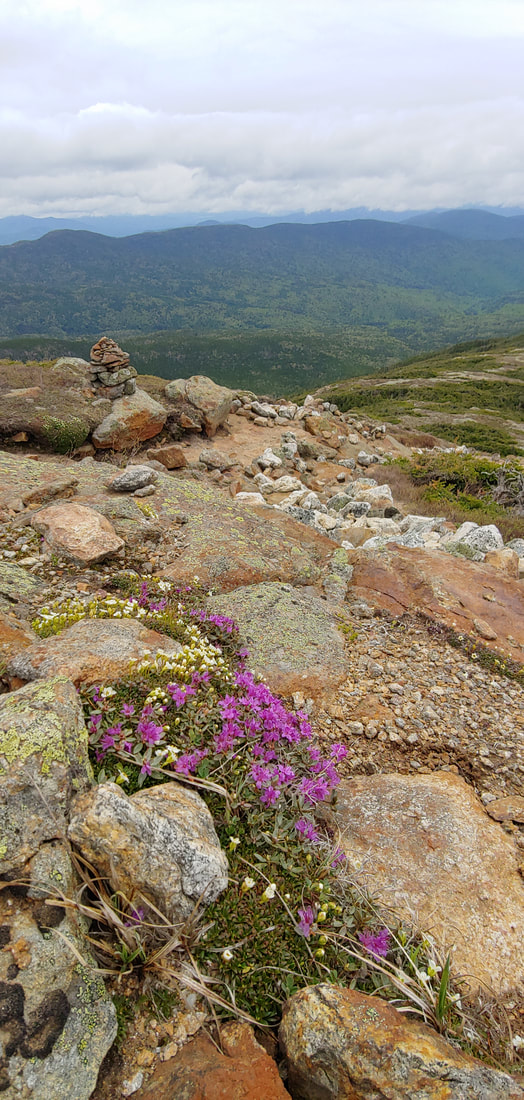
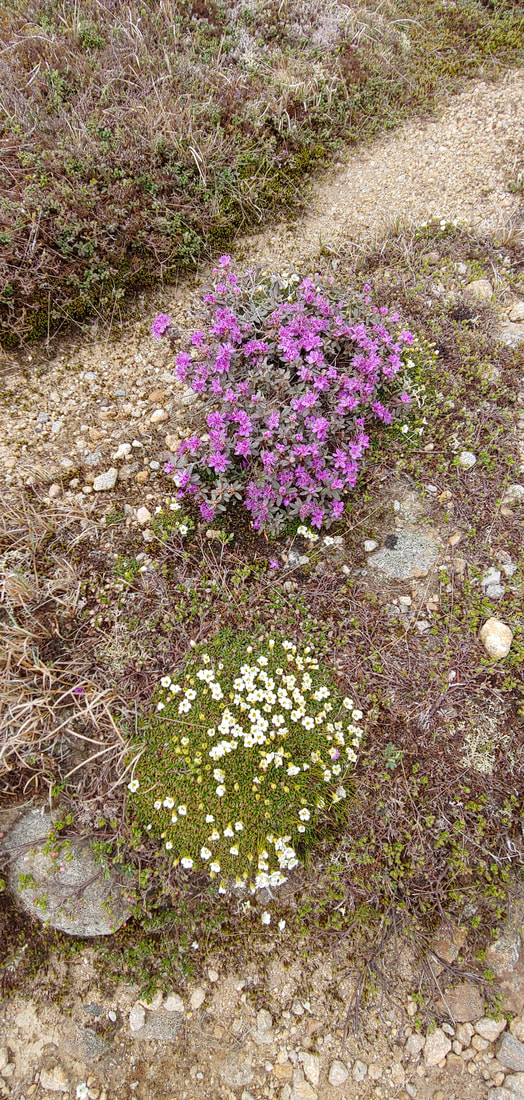
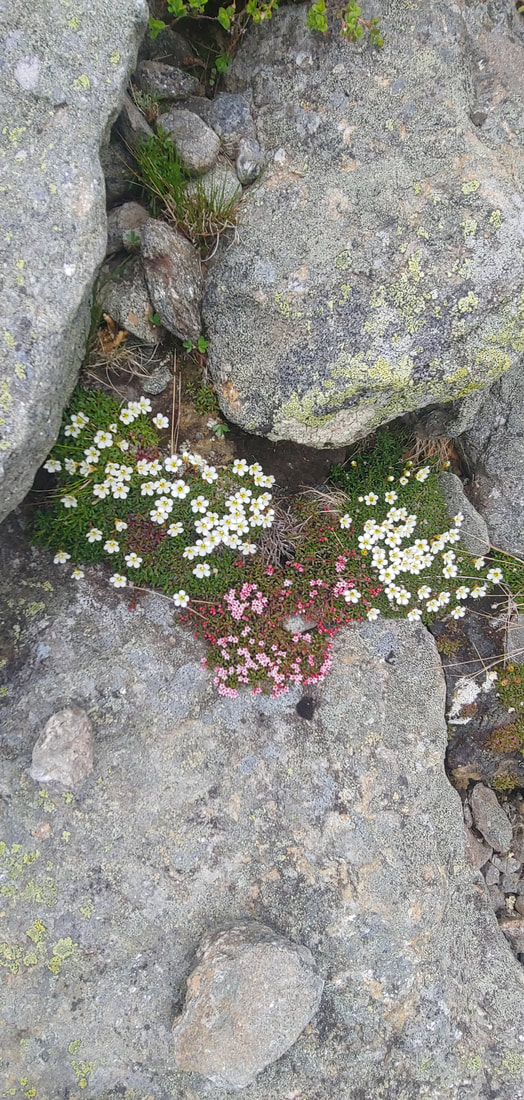
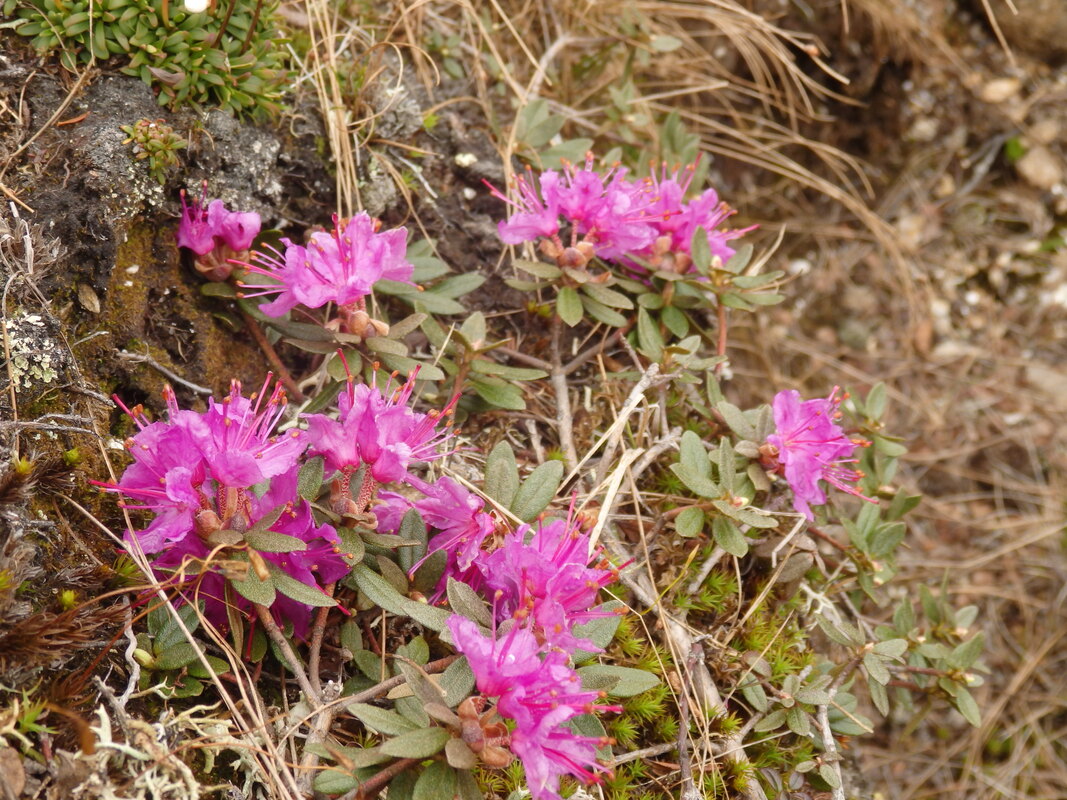
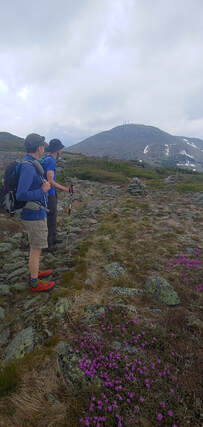
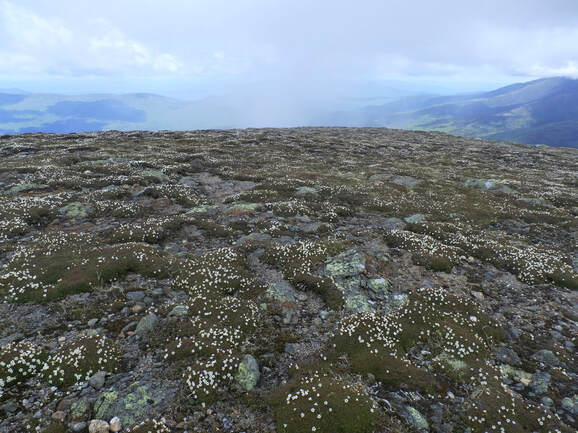 Diapensia carpets the summit of Mt. Eisenhower As far as I know, there isn’t a list of ‘Great Wonders of the Northeast’ but if there were, the annual display of alpine wildflowers in the Presidential Range of New Hampshire’s White Mountains would be one of them. I look forward to this event each year in the way some folks look forward to fireworks displays on the Fourth of July, and I hope you too will experience this brief but fantastic spectacle. Although common in arctic and subarctic latitudes, in New England these plants, many of them rare or endangered in the eastern United States, only grow in the elevation-induced near-arctic conditions above 4,500 feet (on average). Because the growing season is so short and the weather so extreme, the plants tend to blossom all at once and in great array, carpeting the thin, rocky soils in a brilliant palette. Although you can see some of these plants at other New England alpine areas (most notably Mt. Marcy in NY, Mt. Mansfield in VT, Katahdin in ME, Moosilauke and Franconia Ridge in NH) at 7 square miles the Presidential Range is the by far the largest alpine zone in the northeast United States and has the greatest diversity of alpine flora.
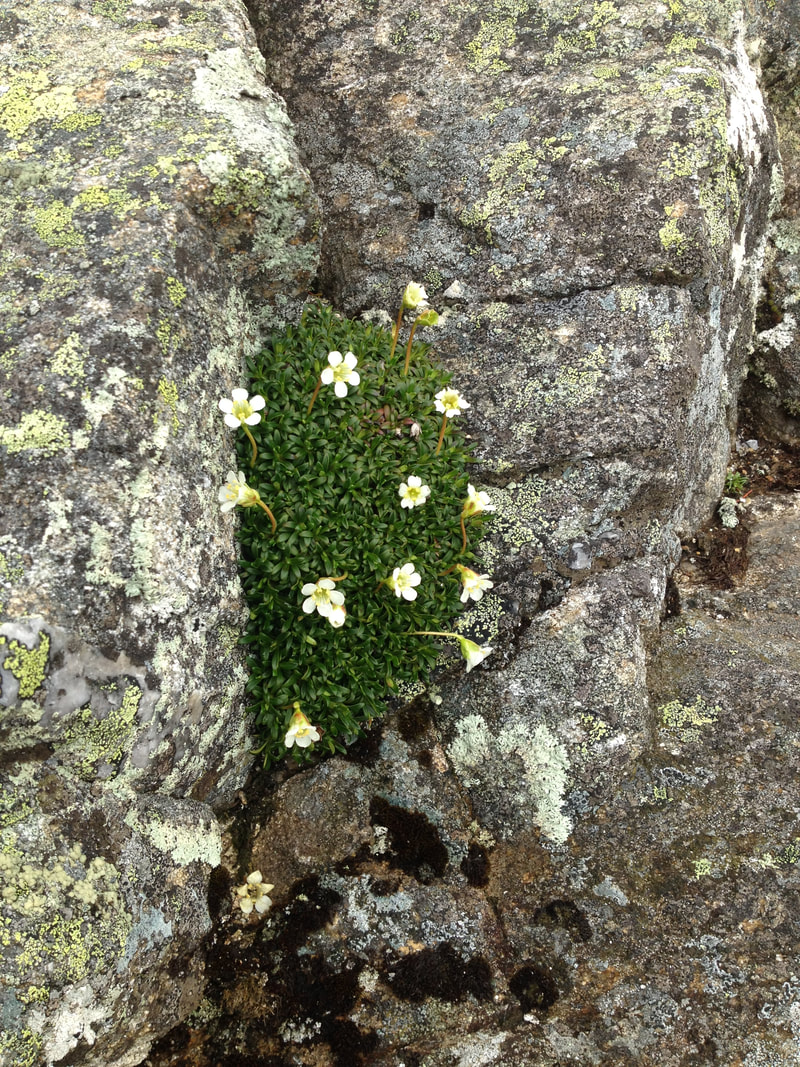
The best place to see the alpine wildflowers are along the Crawford Path from Mt. Eisenhower through Lakes of the Clouds, the Alpine Garden on the east face of Mt. Washington, the "Monticello Lawn" between Mt. Clay and the summit of Mt. Jefferson, the Edmonds Col area between Mount Jefferson and Mount Adams, and the flats around Star Lake below Mount Adams. The best time to see the display is late May through early June (peak bloom fluctuates from year to year) but some flowers tend to peak sooner and some later. The showiest early blooms include the white Diapensia, also known as the "Pincushion Plant" (Diapensia lapponica) and pink Alpine Azalea (Kalmia procumbens), both of which grow in low, ground-hugging cushion-like clusters to better hold to thin soils and withstand the desiccating subzero winters, along with somewhat stouter lavender-colored Lapland Rosebay (Rhododendron lapponicum). Later, look for Labrador Tea (Rhododendron tomentosum), a small shrub with showy white blossoms and leaves with fuzzy undersides), and in late June the sunny yellow Mountain Avens (Geum peckii), pinkish-white Mountain Cranberry (Vaccinium vitis-idaea) and delicately-leafed yellow Dwarf Cinquefoil (Potentilla robbinsiana). Alongside these blooms, you'll also see creeping alpine willows and birches, and the famous and locally rare Bigelow Sedge, (Carex bigelowii) which passes for grass in the alpine zone.
All of these plants lead fragile and tenuous lives due to the extreme growing conditions and short seasons of the alpine zone. That being the case, when visiting the alpine zone it’s extremely important to stay on the marked trails and step only on rocks so that you won't trample the rare plants (even plants that look like ordinary grass may be endangered species in the alpine zone) so that this great spectacle will continue to amaze in the years to come. Sadly, each year I witness far too many people who are ignorant of the fragile nature of these rare plants (or who know but don't care). Trails in the alpine zone are often marked with lines of rocks on either side of the path to keep hikers from destroying the rare vegetation--please do the right thing and stay between the lines. Trust me, there is plenty of fine viewing right from the trail.
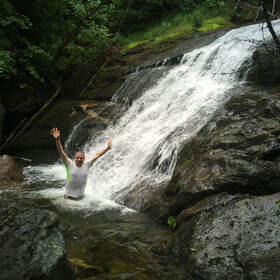
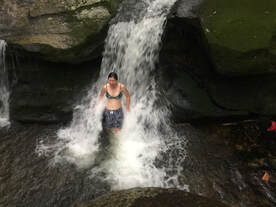
So, I began organizing a hiking series called “Bumps and Falls.” The concept of Bumps and Falls was a simple one: meet in the morning at a designated trailhead, hike a small mountain and/or waterfall, drive to another nearby trailhead, hike a second small mountain and/or waterfall, and so on—until exhaustion or sunset. The logistical beauty of this system was that it allowed participants with different ability levels and time commitments to get some hiking in and enjoy the company of other hikers but bail out at personally tailored junctures during the day—one could hike for as long as one wanted to. The ascetic beauty of it was in getting to hike a lot of really sweet small mountains that one might otherwise overlook, each of which, standing alone, would be an “easy” hike but cobbled together became a moderate to difficult hike (I even ran a waterfall-only version of this group on the hottest days of the summer—we went from waterfall to waterfall and dunked). I do a lot of this kind of hiking when I’m on my own as well, and I’ve come to call it “Cluster Hiking” (or just “Clustering”). 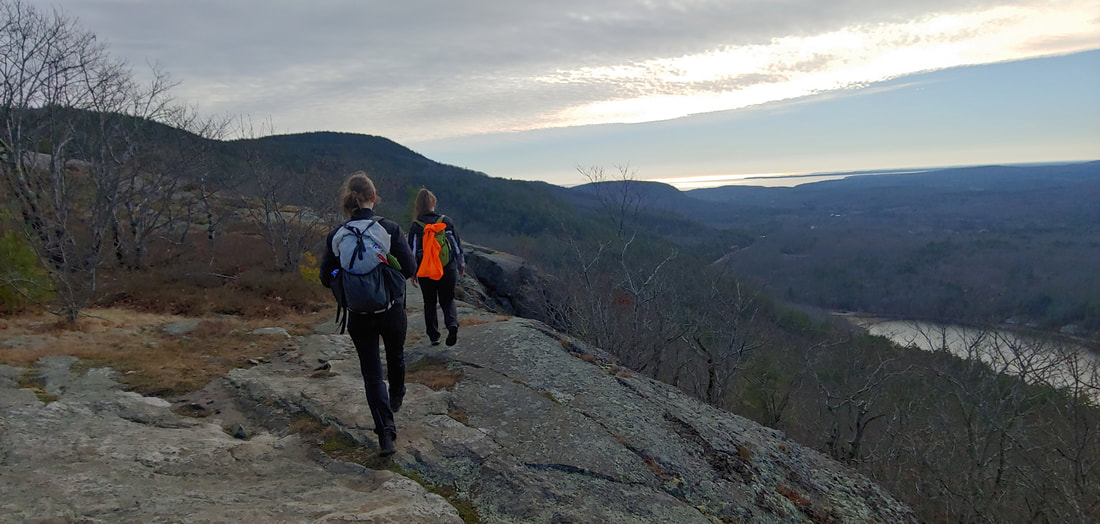 There are 13 peaks clustered immediate area of Camden, ME -and even more a short distance away. Cluster Hiking is a bit different than “Traversing” where one is stringing together a bunch of peaks along a single contiguous foot route with a car spot at either end, but shorter traverses can be included in a Cluster mix. It’s similar, but more buckshot and diverse, to what my friend Michael Blair calls “the Daily Double”—hiking two of the shorter 4,000 footer ascents in the same day—but one can throw a smaller 4K peak into the Cluster mix occasionally. It’s also different than Redlining (now called “Tracing” in certain circles) in that Clustering is destination-specific, not trail-specific—but again, one can Cluster and Redline at the same time. It’s also a bit different than doing a 24-hour Ultra list (for instance, the Saranac Sixer Challenge) in that the focus really is on enjoying the ride and seeing new places—but you could ultra-purpose a cluster if that is the kind of hiking you are into. As a variant of Clustering, sometimes I’ll string together a series of small hikes along a linear travel route from Home to Big Mountain Destination. I made good use of this technique one May while travelling the Skyline Drive and Blue Ridge Parkway to hike in the highlands of North Carolina.
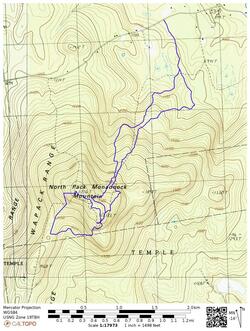
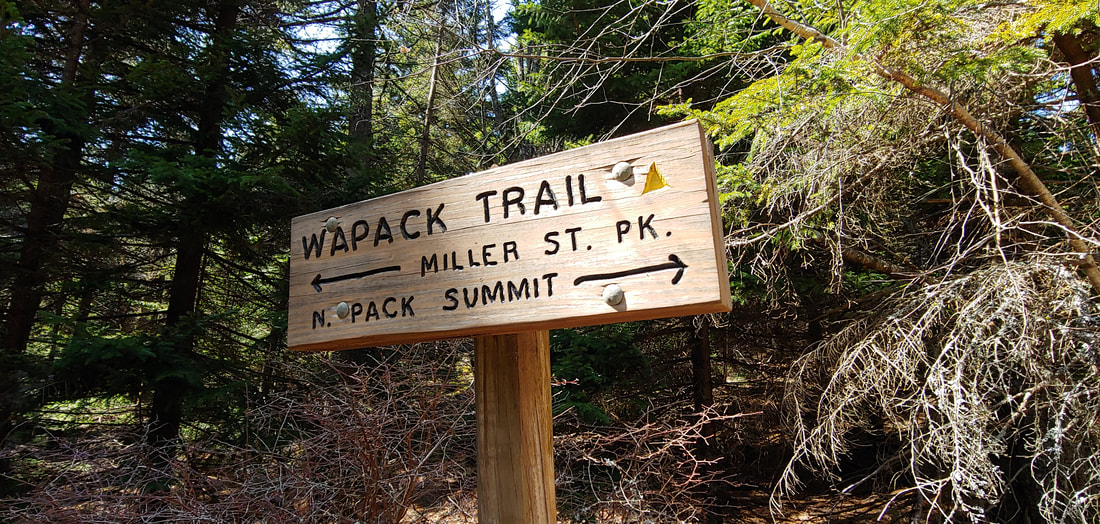
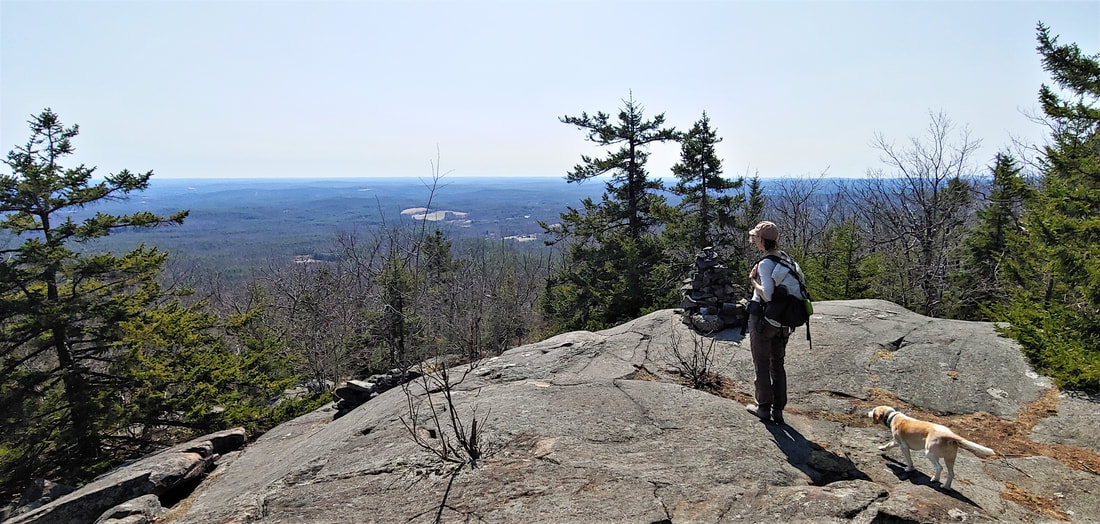
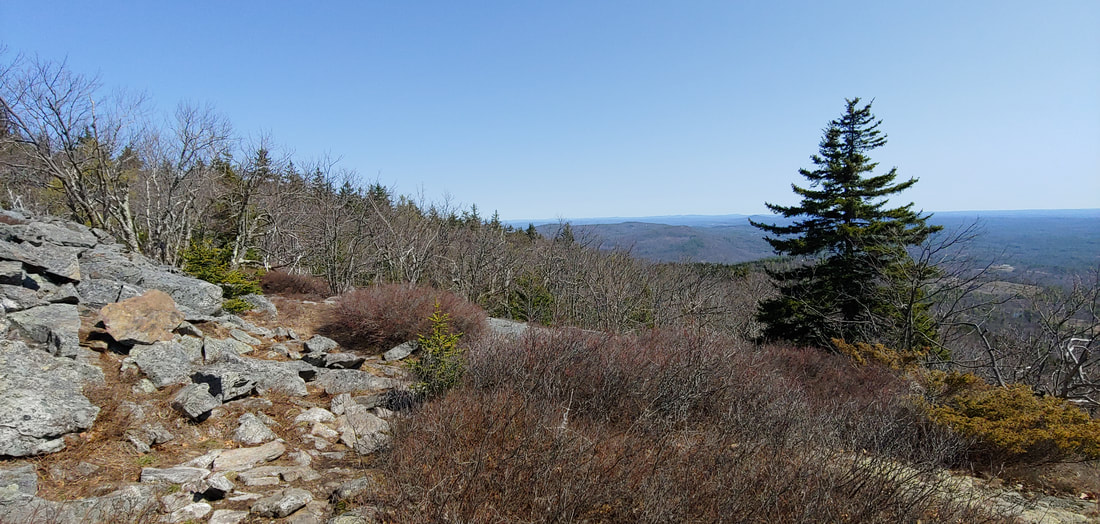
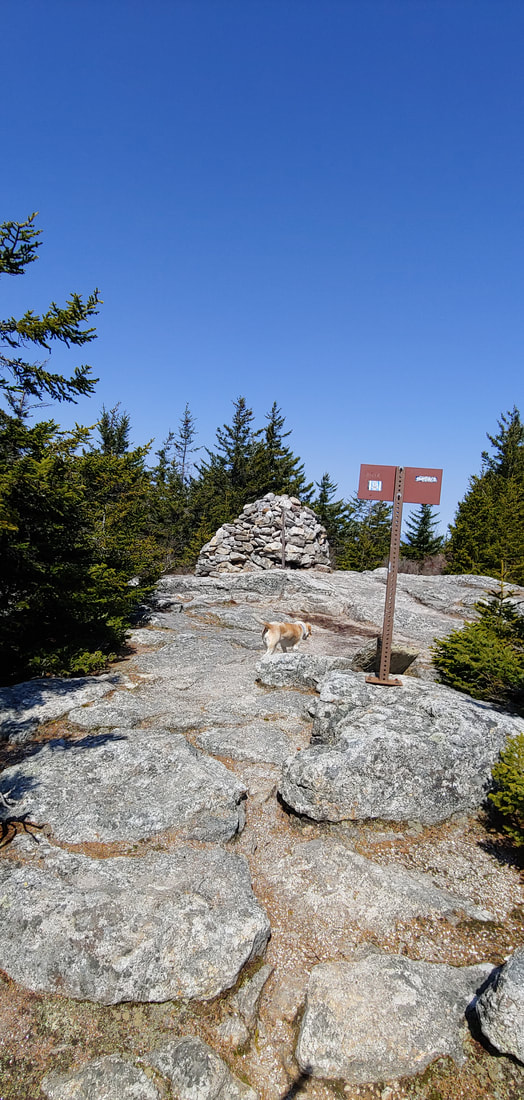
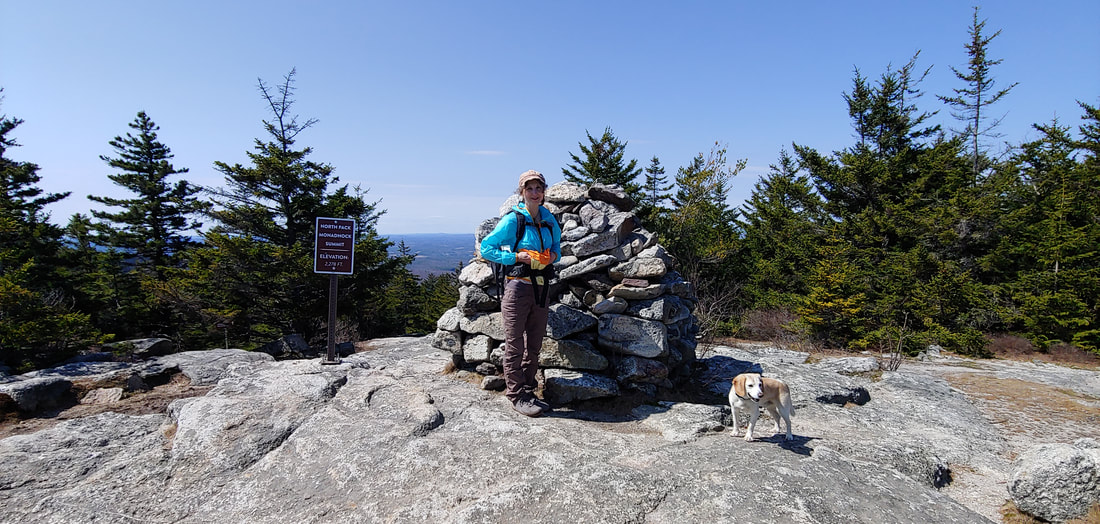
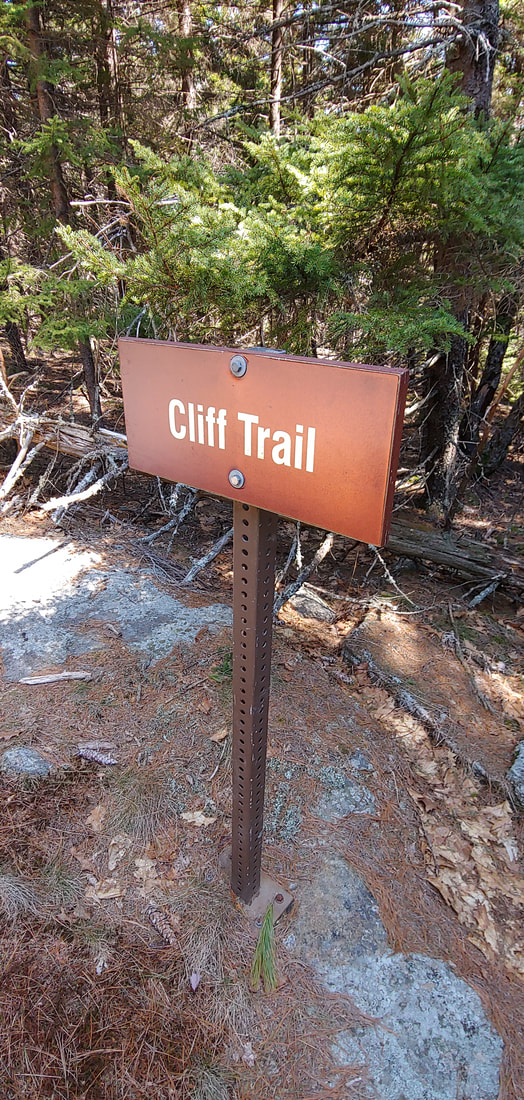
I won’t go into details here—how big or small, or how creatively one Clusters is really a matter of individual preference—and part of the fun in Clustering is in the planning. To plan, one ought to avail oneself of reliable information: print guidebooks and maps, vetted online sources like Trailfinder and Maine Trailfinder (one can use unvetted sources like Alltrails.com—but with unvetted sources there is a certain risk of disappointment and misinformation). For waterfalls, an excellent online source is the World Waterfall Database, with breakdowns by state and GPS coordinates. Below are CalTopo links to some general locations where there is good clustering potential. I hope you enjoy planning and carrying out your next Cluster Hiking experience! --Paul-William The Jackson-Conway area of the White Mountains (NH) The Crawford Notch area of the White Mountains (NH) The Evans Notch area of the White Mountains (NH + ME) The Upper Valley of NH and VT (circa Hanover, NH) The Greater Monadnock Region of NH The Wantastiquet-Pisgah Highlands of NH & the Brattleboro, VT area The Lake Willoughby area of VT The Camden Hills of ME Southern Oxford County, ME The Weld Region of Maine The Moosehead-Katahdin Ironworks Corridor in ME Acadia National Park in ME The Keene Valley region of the Adirondacks (NY) The South Taconic Range & surrounds (southwestern MA, eastern NY, northwest CT) 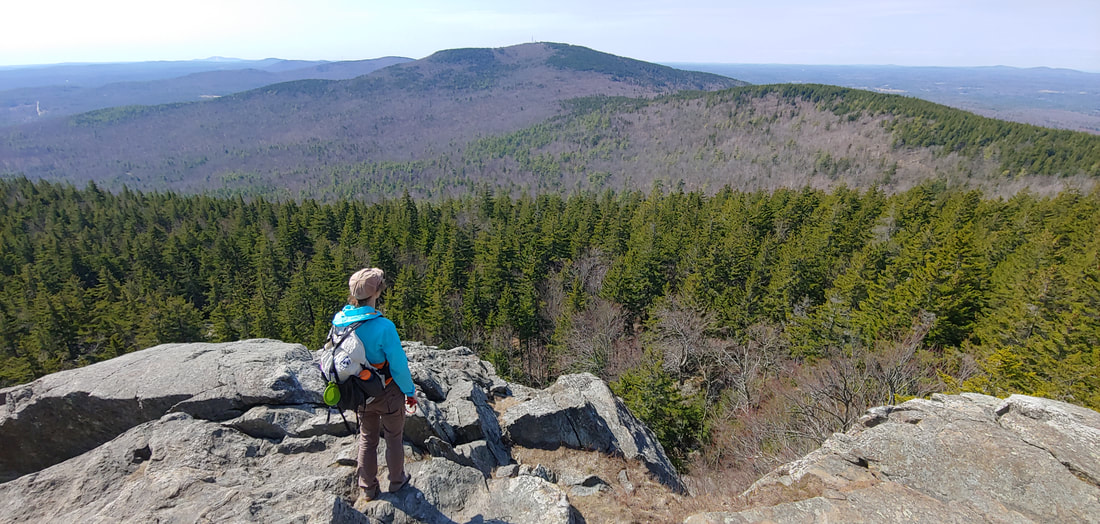 View from the Cliff Trail on North Pack Monadnock North Pack Monadnock (south-central New Hampshire), 2,276 feet, occupies the northern-most crown position on the linear, 20-mile Wapack Range. The “Pack” in Pack Monadnock is supposedly a Native American language term (more likely a corruption of one) for “little” to distinguish the two Pack Monadnock peaks from their higher and more famous neighbor to the west, 3,165 foot Mount Monadnock (also called Grand Monadnock). North Pack’s sister peak, South Pack Monadnock (2,290 feet) is located just to the south of North Pack and sports a summit fire tower. The Wapack Range and the Wapack Trail derive their shared name from a mashup of “Watatic” (the name of the mountain which occupies the southern foot of the Range) and “Pack.” The entire range is truly sweet hiking, with many surprising ledges tucked along ridge crests studded with spruce trees—an airy, remote ramble reminiscent of the craggier subalpine summits in the White Mountains further to the north. This juxtaposition of southern latitudes and northern ecology makes the mountain rich in biodiversity. North Pack is mostly enclosed and conserved within the Wapack National Wildlife Refuge, administered by the U.S. Fish & Wildlife Service. North Pack is popular but not nearly crowded as Grand Monadnock can be. Hikers who bring dogs with them often choose North Pack as a substitute for higher Grand Monadnock where dogs aren’t allowed (park rangers at the latter mountain often exile disappointed hikers to North Pack, knowing it will cheer them up).
Our loop (7.5 miles/ 1,990 e.g.) began and ended on Ted’s Trail (trailhead on the east side of Mountain Road in Greenfield. You can follow our route ("most scenic route") on the map below and peruse the photo gallery of our trip.
|
TOPICS
All
Humor (The Parsnip)


|




 RSS Feed